Best camping coolers for car camping

Igloo Marine Ultra 90 QT Cooler
$129.99The Igloo Marine Ultra 90 QT Cooler holds enough food and drinks for a family of four over a long weekend, rolls on soft ride wheels so it is not a two-person carry from the trunk to the picnic table, and sits at a price where a first-time buyer is not gambling $300 on a cooler style they have never used. It is the cooler we point most car camping families toward first.
Check price on AmazonSpecsNot sure what size you need? Run the What size cooler do I need first, then come back to the picks.
Beginner, intermediate and expert picks
Beginner: Best first cooler
For weekend campers who need one cooler for food and drinks and do not want to think about it much.- Beginner pick
 Coleman Classic Insulated Portable Cooler$74.99Check priceSpec sheet
The Coleman Classic Insulated Portable Cooler, 70-Quart ($74.99) is a basic hinged-lid hard cooler with no wheels and no roto-molded shell, and that is fine for a one to three night trip. It holds enough ice for a weekend when packed at roughly 1.5:1 ice to contents by volume and kept in shade, and it costs less than most soft cooler backpacks that hold a third the volume.
Skip it if: Anyone carrying it more than a few steps regularly, since a full 70-quart hard cooler with no wheels is heavy for one person.
Intermediate: Buy once
For families who camp several times a year and are tired of a cooler that is either too small or too heavy to move.- Intermediate pickIgloo Marine Ultra 90 QT Cooler$129.99Check priceSpec sheet
The Igloo Marine Ultra 90 QT Cooler ($129.99) adds soft ride wheels and a leak-proof drain to the basic hard cooler formula, at a size that comfortably covers a family of four for two to three days. It is the cooler most people should actually buy: enough capacity that you are not running back to the store for ice, and light enough on the wallet that upgrading again later is not a sunk cost.
Skip it if: Solo or two-person trips, where a 90-quart cooler is mostly wasted space and extra weight.
Expert: Performance ceiling
For multi-day trips in hot weather, or anyone who wants ice to still be solid on day four without a resupply.- Expert pick
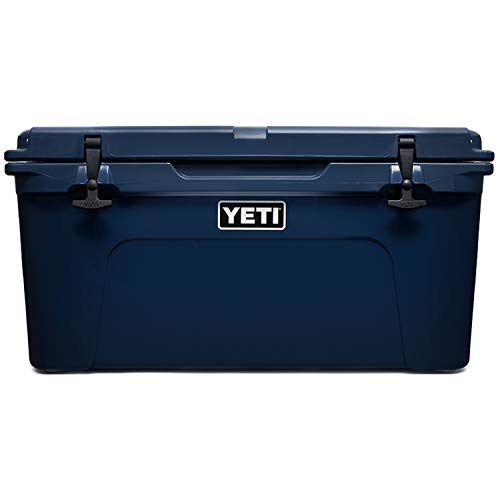 YETI Tundra 65 Cooler$395.00Check priceSpec sheet
The YETI Tundra 65 Cooler ($395) is rotomolded from a single piece of plastic with thick pressure-injected foam walls, which is why premium coolers hold ice noticeably longer than a hinged-lid hard cooler at the same size. It is genuinely the best ice retention available in this catalog, with a price to match.
Skip it if: Anyone camping one to three nights at moderate temperatures. That trip does not need YETI-level ice retention, and a $130 to $200 cooler will finish it with ice to spare.
| Product | Price | Key spec | Best for |
|---|---|---|---|
| Coleman Classic 70-Quart | $74.99 | Hard, no wheels | First cooler, short trips |
| Igloo Marine Ultra 90 QT | $129.99 | Hard, wheeled | Most car camping families |
| YETI Tundra 65 | $395 | Rotomolded | Long, hot multi-day trips |
| Coleman Xtreme 50-Quart | $74.99 | Hard, wheeled | Budget wheeled option |
| RTIC 32 QT | $159 | Rotomolded, compact | Couples, smaller loads |
| Pelican 50 Quart Elite | $279.58 | Rotomolded | Alternative to YETI |
| Maelstrom 30 Can Soft Cooler | $26.74 | Soft-sided | Day trips, drinks only |
What size cooler do I need for car camping?
Size a cooler by people and days, not by gut feeling. The working numbers are roughly 1.25 quarts of food per person per day, plus ice at about 1:1 by volume for an overnight trip, 1.5:1 for two to three days, and 2:1 for four or more days. A family of four on a three-day weekend is packing enough food and ice to fill a cooler in the 70 to 90 quart range once you actually run the math, which is bigger than most people guess.
Run your own group size and trip length through the cooler size calculator before you buy, and see the cooler size chart for how that scales at other headcounts. Most families end up happier running two coolers, one for drinks that gets opened constantly and one for food that only gets opened at meals, since every opening lets warm air in and shortens ice life.
Hard, rotomolded, wheeled, or soft: does the type actually matter?
It matters less than marketing suggests for a one to three night trip and more than people expect for four or more days in heat. A basic hinged-lid hard cooler and a rotomolded cooler of the same size both hold ice reasonably well overnight; the gap widens on day three and four, which is where YETI, RTIC, and Pelican earn their price. See our full breakdown in hard vs soft cooler.
Wheels matter for logistics more than for cooling. If the walk from the car to the campsite is more than a few steps, or if one person is doing the carrying, a wheeled cooler is worth the extra cost regardless of whether the shell is basic or rotomolded. Soft coolers are the outlier: they trade ice retention for portability and are a better fit as a second cooler for drinks or a day-trip cooler than as the only cooler on a multi-night stay.
Do you need a rotomolded cooler for a weekend trip?
Usually not. Real-world ice life on any cooler tends to run 40 to 60 percent of the advertised number, and a well-packed $75 to $130 hard cooler kept in shade will comfortably carry a two to three night trip. A rotomolded cooler earns its price on trips past day three, in genuinely hot weather, or if the cooler doubles as a truck bed or boat cooler between camping trips and needs to survive rough handling.
- Weekend trip, mild weather: a basic hard cooler is enough
- Three to four day trip or hot climate: step up to rotomolded or add a second cooler
- Cooler doubles as everyday hauling gear: rotomolded lasts longer under abuse
How do you pack a cooler so ice lasts longer?
Pre-chill the cooler the night before with a bag of ice you dump out before packing, keep the cooler in shade all day, and pack it full: air space is the enemy of ice retention, not a benefit. Only drain meltwater if it is touching food packaging directly, since cold water sitting in the bottom actually insulates the ice that is left. See the full how to pack a cooler guide for a packing order that keeps everything cold longest.
How we chose
Every pick here comes from published capacity, material, and construction specs plus verified owner reviews on Amazon; nothing on this list was tested in person by us. Prices and quart capacities are pulled directly from current listings and may shift with Amazon's pricing.
We favored coolers with a clear, unambiguous size in the listing itself and skipped products where the same listing covers several sizes under one price, since that makes an honest recommendation impossible without guessing which variant a buyer will receive.
Buying tips
Do I need two coolers?
Most camping families end up running two: one for drinks that gets opened constantly and one for food that only gets opened at meals. This keeps both colder longer than one cooler doing both jobs.
Is a bigger cooler always better?
No. An oversized cooler with empty air space actually loses ice faster than a correctly sized, tightly packed one, and it is heavier to carry for no benefit.
Do wheels affect ice retention?
Not directly. Wheels are a hauling feature, not an insulation feature. Choose wheels based on how far you carry the cooler at your typical campsite, not based on cooling performance.
Is a rotomolded cooler worth it for two nights?
Rarely. The gap between a rotomolded cooler and a basic hard cooler mostly shows up on day three and beyond. A short trip in mild weather does not need it.
Also worth considering
 Coleman Xtreme Rolling Cooler with Wheels$74.99Check priceSpec sheet
 RTIC 32 QT Ultra-Light Hard Cooler$159.00Check priceSpec sheet
 Pelican 50 Quart Elite Cooler (White/Gray)$279.58Check priceSpec sheet
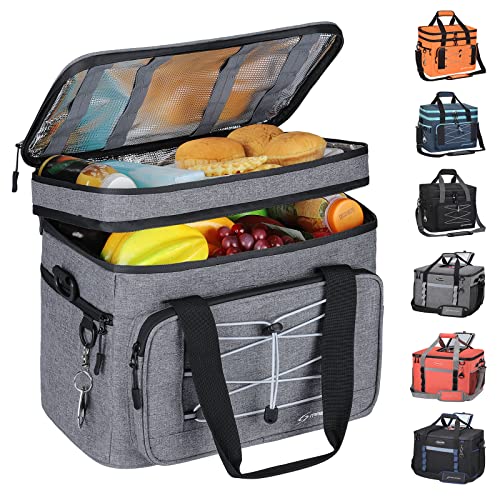 Maelstrom 30 Can Soft Cooler Bag$26.74Check priceSpec sheet
 Coleman Chiller 60-Quart Rolling Cooler with Wheels$62.88Check priceSpec sheet
Keep planning
Frequently asked questions
What size cooler do I need for a family of four for a weekend?
Plan on roughly 70 to 90 quarts for a family of four over two to three days, based on about 1.25 quarts of food per person per day plus ice at a 1.5:1 ratio to contents. The Igloo Marine Ultra 90 QT Cooler ($129.99) is sized for exactly this trip. Running two smaller coolers, one for drinks and one for food, often works better than one large one.
Is a rotomolded cooler worth the extra money?
For a one to three night trip in mild weather, usually not; a basic hard cooler like the Coleman Classic 70-Quart ($74.99) will finish the trip with ice left over. Rotomolded coolers such as the YETI Tundra 65 ($395) earn their price on four-plus day trips or in hot climates, where the thicker insulated walls hold ice noticeably longer.
How long will ice actually last in a camping cooler?
Real-world ice life typically runs 40 to 60 percent of a cooler's advertised days, since manufacturer claims assume ideal conditions like a full load and no lid openings. A well-packed hard cooler kept in shade should carry a weekend trip comfortably; see our ice calculator for a number based on your own group size and forecast.
Do I need a wheeled cooler?
If the walk from your car to your campsite is more than a few steps, or one person handles the carrying, yes. A 70 to 90 quart cooler packed full easily weighs 40 to 60 pounds, and wheels turn that from a two-person job into a one-person job.
Are soft coolers good enough for car camping?
Soft coolers work well as a second cooler for drinks or for a single day trip, but they hold less ice per dollar and lose it faster than a hard-sided cooler. For a multi-night stay, use a soft cooler alongside a hard cooler rather than in place of one.
Get the car camping checklist
One printable page: the full packing checklist plus our three complete setups with current prices. No sales sequence.
Used only to send the list. You can also read every setup free on this site.Researched guidance, not professional advice. Figures are published specifications or clearly labelled conventions; check your own gear's manual and your campground's rules.