Planning your first car camping trip
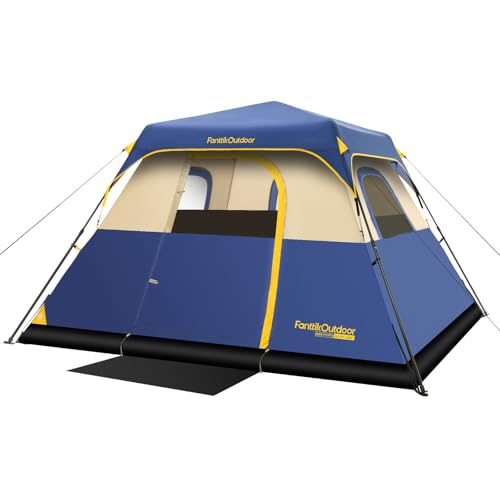
FanttikOutdoor Zeta C4 Pro Camping Tent 4 Person Instant Cabin Tent
$111.99The FanttikOutdoor Zeta C4 Pro ($111.99) is built around a 60-second pole system, which matters most on a first trip when nobody in the group has practiced pitching a tent before.
Check price on AmazonSpecsHow far in advance should you book your first campsite?
Popular state and national park campgrounds fill weeks or months ahead for weekends in peak season, while first-come first-served sites and less-known county or forest service campgrounds are often open with a day or two of notice. For a first trip, a smaller, closer campground with drive-up sites, flush toilets, and a camp host is an easier place to learn than a remote, high-demand park.
Pick a site within two or three hours of home for your first trip. A short drive means a mistake, forgotten gear or a bad night's sleep, is not a wasted weekend, and you can leave early without it feeling like a failure.
What should you actually pack for a first trip?
Work from a written list, not memory. Our camping checklist tool builds one from your group size and trip length, but the core categories are shelter, sleep, a cooler, a way to cook, light, and basic tools, a lighter, a knife, and duct tape. Beginners tend to overpack clothing and underpack lighting; bring one headlamp per person, not one for the whole group.
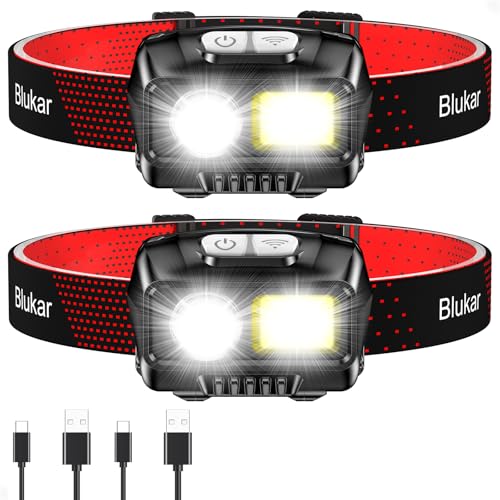
A Blukar LED Headlamp ($12.59) per adult is cheap enough that everyone should have their own rather than sharing one flashlight around a picnic table at night. See our full car camping shopping list for a complete first-trip inventory organized by category.
What time should you arrive at the campsite?
Arrive with at least two hours of daylight remaining, more if you have never pitched your tent before. Setting up a tent, laying out sleeping gear, and building a first fire all take longer than expected on a first attempt, and doing any of it by headlamp adds stress that has nothing to do with camping itself.
Practice pitching your tent once at home before the trip, even in the yard or living room, just to find missing parts or a bent pole before you are standing in a parking lot at a campground with the sun going down.
Gear this guide recommends


How do you set up camp without wasting the first evening?
Set up in this order: tent first, sleeping gear inside it second, then the kitchen and cooler, then chairs and lighting last. Getting the tent up and the beds made means you have a place to retreat to if weather turns or the group gets tired, before you have spent an hour arranging a kitchen you might not fully use that night.
See our campsite setup layout guide for where to place the tent relative to the fire ring, the car, and the picnic table, which matters more for comfort than most first-timers expect.
What food should a beginner bring?
Bring food that needs little or no cooking for at least the first meal: sandwiches, precooked proteins, fruit, and snacks that travel in the cooler without special handling. Save anything that requires a stove and a recipe for the second night, once camp is set up and everyone has had time to settle in.
Pack the Coleman Classic 52-Quart Cooler ($54.99) with ice pre-chilled the night before, drinks and food separated if you can, or in two coolers if you own a second one. Our how to pack a cooler guide covers layering food correctly so nothing gets crushed or waterlogged.
What usually goes wrong on a first trip?
The most common first-trip problems are arriving too late to set up in daylight, being cold at night from a missing or wrong sleeping pad, and running out of ice by day two from an underpacked cooler. All three are avoidable with a little planning rather than better gear; none require spending more money, just doing the math ahead of time.
A comfortable folding chair matters more than people expect for morale: the Amazon Basics Portable Folding Camping Chair ($26.77) gives everyone a place to sit that is not the cold ground or a cooler lid, which sounds minor until the second night when everyone is tired.
Keep planning
Frequently asked questions
What should a beginner bring on their first camping trip?
A tent sized two people over your group, a sleeping pad or mattress per person, a cooler with pre-chilled ice, a headlamp per person, and food that needs no cooking for the first meal. Practice pitching the tent at home before the trip. Everything else, a stove, a table, and lanterns, is optional for a first outing and can be added on a second trip.
How early should you arrive at a campsite on your first trip?
With at least two hours of daylight left, more if you have never pitched your tent before or are traveling with young children. Setting up in the dark turns a normal first-time delay, a missing stake or a confusing pole, into real stress. Arriving early also gives you first pick of a level, shaded spot within your site.
Is car camping good for beginners?
Yes. Car camping means you drive to the site and unload from the trunk, so weight and pack size do not matter the way they do backpacking, and you can bring more gear as a safety margin: a spare blanket, extra water, a full first aid kit. It is the easiest way to try camping before committing to backpacking gear.
How do you avoid being cold on your first camping trip?
Bring a sleeping pad rated for colder than your expected overnight low, not just a sleeping bag. Ground and air under an uninsulated mattress pull heat from your body all night regardless of the bag's temperature rating. Check your low against our sleeping pad R-value calculator, and layer clothing rather than relying on one heavy layer.
Get the car camping checklist
One printable page: the full packing checklist plus our three complete setups with current prices. No sales sequence.
Used only to send the list. You can also read every setup free on this site.Researched guidance, not professional advice. Figures are published specifications or clearly labelled conventions; check your own gear's manual and your campground's rules.